

Citadel of Salah El-Din
Citadel of Salah El-Din: The Mighty Fortress That Defined Cairo's Skyline
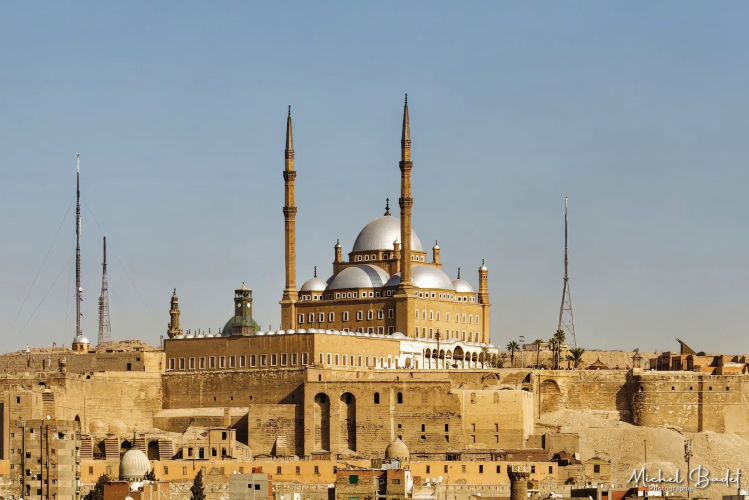
Perched proudly atop the Muqattam Hills, the Citadel of Salah El-Din, also known as the Cairo Citadel, stands as one of Egypt’s most iconic landmarks. This sprawling medieval fortress dominates the horizon of Cairo city, weaving an epic tale of military genius, architectural grandeur, and Islamic heritage. Built by the legendary Sultan Salah El-Din Al-Ayyubi in the 12th century, the Citadel once served as the beating heart of the Islamic world in Egypt. Its walls witnessed centuries of royal intrigue, battles for power, and monumental transformations that shaped Egypt’s destiny.
Strategically positioned between ancient and modern Cairo, this fortress not only served as a military stronghold but also as a royal residence and administrative hub for nearly 700 years. From the time of the Ayyubids through the Mamluks, and later the Ottomans, the Citadel remained the epicenter of political and religious authority. Today, it’s a magnet for travelers from every corner of the globe exploring Cairo Day Tours or indulging in historical adventures through Egypt Travel Packages. Its towering minarets, ancient gates, and panoramic vistas of the city tell stories that transcend time, making it a must-see attraction for anyone delving into the soul of Egypt.
In this comprehensive guide, we’ll uncover the architectural splendor, fascinating history, and cultural significance of the Citadel of Salah El-Din. From its defensive walls and grand mosques to the intricate museums nestled within, every corner radiates the might and legacy of Egyptian civilization. Whether you’re a passionate historian, a photographer chasing golden-hour magic, or a wanderer eager to experience the grandeur of Islamic Cairo, this fortress promises an unforgettable journey through centuries of Egyptian heritage.
The Vision of Salah El-Din: A Fortress Born from Strategy and Foresight
The Citadel of Salah El-Din was conceived in an era of uncertainty. In the late 12th century, Egypt faced threats from Crusaders and internal strife. Salah El-Din, known in the West as Saladin, foresaw the need for a fortified stronghold that could safeguard Cairo and consolidate his rule. He ordered the construction of the Citadel around 1176, personally selecting its commanding location atop the Muqattam Hills. This vantage point offered clear views of both the city and the surrounding desert — a defensive advantage unmatched in its time.
The fortress soon became one of the most formidable defensive structures of the medieval Islamic world. Its imposing limestone walls, some extending over 10 meters thick, were designed to withstand sieges and repel invaders. Water was supplied through an ingenious aqueduct system from the Nile, ensuring the Citadel could endure long blockades. For centuries, the fortress stood as a symbol of Egypt’s resilience and Salah El-Din’s strategic brilliance. Today, visitors touring the site as part of Egypt Excursions can still trace the remnants of the original walls that once protected an empire.
Architectural Glory: The Evolution of the Citadel Through Dynasties
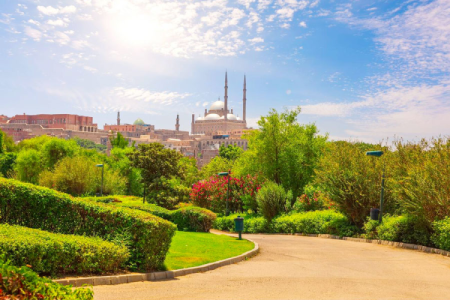
While Salah El-Din laid the foundation, successive rulers expanded and embellished the Citadel, turning it into a masterpiece of Islamic architecture. During the Mamluk period, majestic palaces and mosques rose within its walls. The most famous addition came centuries later, under Ottoman rule — the spectacular Alabaster Mosque of Muhammad Ali Pasha. Completed in 1848, its massive domes and slender minarets dominate Cairo’s skyline, symbolizing the city’s transition into a new age of architectural magnificence.
The interior of the Citadel is an architectural mosaic. Each era left its mark: Mamluk courtyards with intricate stone carvings, Ottoman tiles with floral motifs, and massive iron gates echoing medieval craftsmanship. The fusion of styles — from Ayyubid fortifications to Ottoman elegance — narrates the story of Egypt’s evolving identity. Within the complex, visitors can explore gates such as Bab El-Azab and Bab El-Qulla, walk through royal quarters, and admire sweeping views that stretch to The Nile River.
The Alabaster Mosque: The Crown Jewel of the Citadel
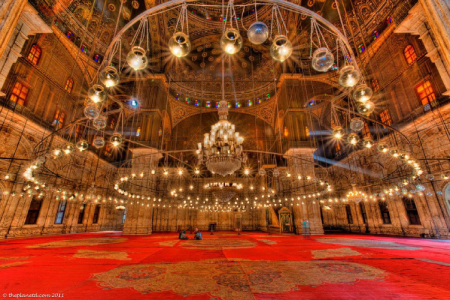
The Mosque of Muhammad Ali, often called the Alabaster Mosque for its gleaming facade, commands awe upon first sight. Its design draws inspiration from Istanbul’s Hagia Sophia, blending Ottoman opulence with Egyptian character. The mosque’s interior features towering domes, gilded chandeliers, and vibrant calligraphy that shimmer in the sunlight filtering through stained glass. Standing on its terrace, you can gaze out over the vast expanse of Cairo — a breathtaking view that captures both the ancient and modern essence of the city. For many travelers, this moment ranks among the highlights of their Egypt Luxury Tours.
Other Monuments Inside the Citadel Complex
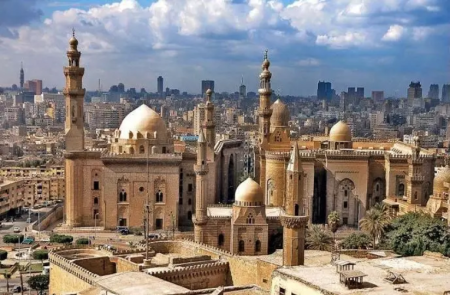
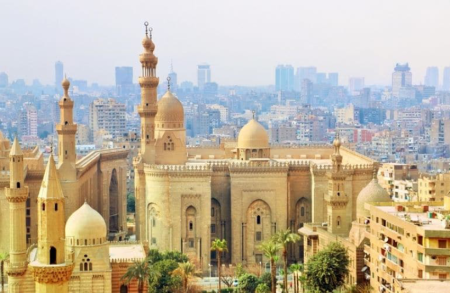
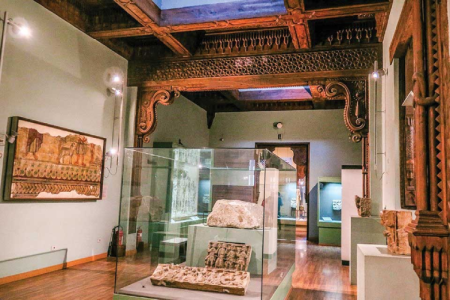
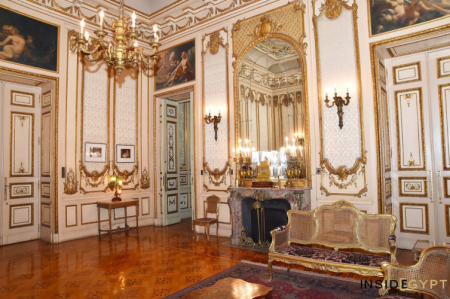
Beyond the Alabaster Mosque, the Citadel houses several other notable landmarks. The Mosque of Al-Nasir Muhammad, built during the Mamluk era, stands as a testament to the architectural sophistication of the 14th century. Nearby, the small yet elegant Suleiman Pasha Mosque showcases early Ottoman design. The Citadel also includes royal residences, barracks, and administrative chambers, many now converted into museums. Among them, the Police Museum, Military Museum, and Carriage Museum display relics from Egypt’s storied past — from royal carriages to ancient weapons used by the sultans.
Strategic and Cultural Significance of the Citadel
More than a fortress, the Citadel of Salah El-Din was the nucleus of power for successive dynasties. It functioned as the royal seat, the treasury, and the center of military command. From within its walls, rulers governed Egypt’s affairs and coordinated defenses against foreign invasions. Its location, overlooking both Islamic Cairo and the old city, allowed rulers to monitor every movement and safeguard their reign. This role continued until the 19th century when Khedive Ismail moved the royal residence to Abdeen Palace.
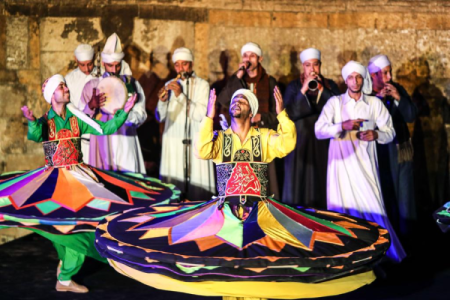
Today, the Citadel is more than a historical monument; it’s a cultural beacon. It hosts national celebrations, art exhibitions, and religious events that reflect Egypt’s enduring heritage. The site has become a cornerstone of Egypt Vacations Packages, attracting history buffs, photographers, and families alike. Its panoramic views of Islamic Cairo, with the domes and minarets stretching endlessly toward the horizon, are simply mesmerizing.
Panoramic Views and Visitor Experience
One of the most unforgettable experiences at the Citadel is the sweeping view over Cairo’s skyline. On a clear day, you can spot the majestic Great Pyramids of Giza shimmering in the distance. The contrast between ancient monuments and the modern metropolis below creates a surreal tapestry that captures Egypt’s timeless allure. Exploring the site feels like stepping through layers of history — from the Crusader era to Ottoman rule and beyond. Guides often share fascinating anecdotes about royal conspiracies, military victories, and the Citadel’s role in shaping Cairo’s destiny.
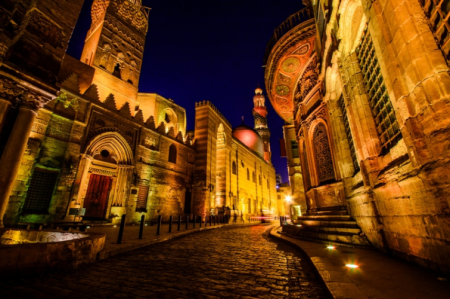
For a truly immersive experience, many travelers combine their visit with stops at nearby attractions such as Al Azhar Park, El Moez Street, and Khan al-Khalili Cairo. Each complements the Citadel’s story, offering a deeper glimpse into Cairo’s vibrant spiritual and cultural life.
Restoration and Preservation Efforts
Over the centuries, the Citadel has weathered earthquakes, invasions, and political upheavals. Yet, through meticulous restoration projects, it continues to stand tall. The Egyptian government, alongside international organizations, has undertaken preservation efforts to protect its mosques, walls, and museums. Today, modern lighting and conservation techniques allow visitors to experience the monument’s grandeur while safeguarding its architectural integrity for future generations.
FAQs About the Citadel of Salah El-Din
1. Who built the Citadel of Salah El-Din and why?
The Citadel was commissioned by Sultan Salah El-Din Al-Ayyubi in 1176 to protect Cairo from Crusader invasions. Its strategic location on the Muqattam Hills made it an ideal military fortress overseeing the city and the surrounding desert.
2. What are the main attractions inside the Citadel?
The complex includes the Alabaster Mosque of Muhammad Ali, the Mosque of Al-Nasir Muhammad, the Suleiman Pasha Mosque, and several museums such as the Military and Police Museums. Visitors can also enjoy panoramic views of Cairo and the distant pyramids.
3. How can visitors reach the Citadel of Salah El-Din?
The Citadel is easily accessible from central Cairo and forms part of many organized Egypt Nile Cruises and guided tours. Taxis, buses, or private cars can reach the site conveniently, and it’s often paired with nearby attractions in Islamic Cairo.
4. When is the best time to visit the Citadel?
The ideal time to visit is during the cooler months, from October to April, when the weather is pleasant for sightseeing. Early mornings or late afternoons offer the best lighting for photography and fewer crowds.
5. Why is the Citadel of Salah El-Din important to Egyptian history?
The Citadel served as the seat of power for nearly seven centuries, influencing Egypt’s political, military, and cultural landscape. It symbolizes the unification of Cairo under Islamic rule and continues to embody the strength and endurance of Egyptian heritage.
Conclusion: The Eternal Legacy of the Citadel of Salah El-Din
The Citadel of Salah El-Din is more than a relic of the past; it’s a living monument that bridges Egypt’s glorious history with its dynamic present. Its towering walls, elegant mosques, and commanding vistas encapsulate the essence of Cairo — a city where civilizations converge and stories never end. Every stone whispers the legacy of Salah El-Din’s vision, every dome reflects centuries of faith and resilience. As you stand within its walls, gazing across the sprawling cityscape, you feel the heartbeat of a nation that has withstood time itself. Visiting the Citadel isn’t just a journey through history — it’s an inspiration to witness how greatness is built, preserved, and celebrated across the ages.



.png)


Our Partners
Our Awesome Partners