

The Alabaster Mosque
The Alabaster Mosque: A Timeless Masterpiece of Islamic Architecture in Cairo
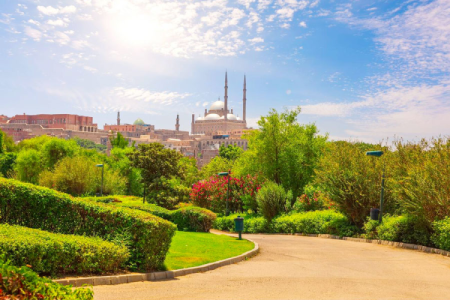
Perched gracefully atop the Citadel of Salah El-Din, the Alabaster Mosque — also known as the Mosque of Muhammad Ali — stands as one of Cairo's most iconic landmarks. This gleaming structure of brilliant limestone dominates the city's skyline, a symbol of faith, power, and architectural splendor that captures the spirit of 19th-century Egypt. Its soaring domes and twin minarets pierce the sky, drawing visitors from every corner of the world. The Alabaster Mosque isn’t just a place of worship; it’s a testament to ambition, artistry, and Egypt’s enduring heritage.
Built between 1830 and 1848 under the rule of Muhammad Ali Pasha, the mosque was intended to rival the grandeur of Istanbul’s Ottoman landmarks. Its fusion of Ottoman and Egyptian design elements has made it one of the most visited attractions in the Cairo city. The name “Alabaster Mosque” originates from the shimmering alabaster panels that adorn its interior and exterior, casting a warm golden hue under the Egyptian sun. Every inch of the mosque tells a tale — of revolution, devotion, and Egypt’s desire to emerge as a modern, independent nation.
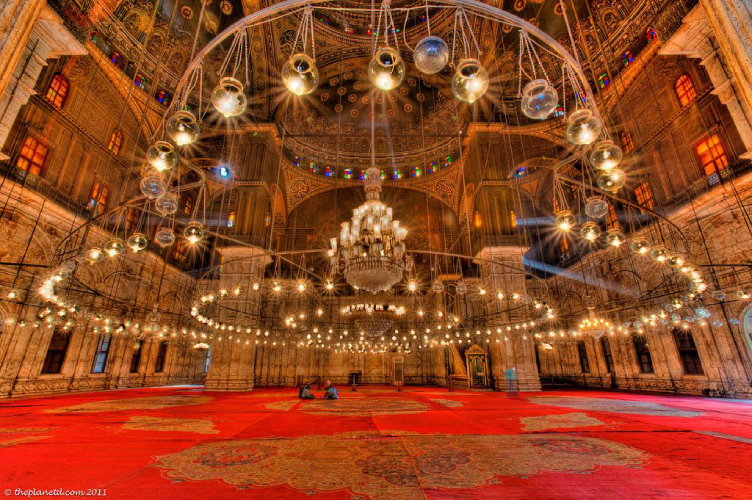
Inside its immense prayer hall, intricate chandeliers hang from the domed ceiling, mosaic patterns adorn the walls, and the air hums with centuries of prayers whispered within its sacred space. From its terrace, the view stretches across the bustling city, the Nile River shimmering in the distance. For travelers who crave both history and beauty, visiting the Alabaster Mosque is an unforgettable experience — a journey back to an age of opulence and unity in Islamic art.
History of the Alabaster Mosque: Muhammad Ali’s Vision for Egypt
The Alabaster Mosque was commissioned by Muhammad Ali Pasha, often regarded as the founder of modern Egypt. His vision extended beyond military and political reform; he aimed to transform Cairo into a capital that reflected Egypt’s new identity. Inspired by Ottoman architecture, particularly the legendary Blue Mosque of Istanbul, he ordered the construction of a monumental mosque that would serve both as a political statement and a spiritual sanctuary.
Construction began in 1830 and was completed in 1848, though finishing touches continued after Muhammad Ali’s death. The mosque also houses his tomb, placed directly beneath the eastern dome — a serene resting place for the man who reshaped Egypt’s destiny. This personal connection adds a profound layer of meaning to the site, making it not only an architectural wonder but also a mausoleum of great historical importance.
During the 19th century, Cairo experienced rapid modernization, and the Alabaster Mosque stood at the heart of this transformation. Its creation symbolized the fusion of Egyptian spirit with Ottoman influence, a blend that defined much of the city’s later architecture. Tourists exploring with Cairo Day Tours often find the site a highlight, linking ancient traditions with the dawn of Egypt’s modern age.
Architectural Brilliance: The Fusion of Ottoman Elegance and Egyptian Craftsmanship
The Alabaster Mosque dazzles with its grand design, characterized by a central dome flanked by four semicircular domes and two slender minarets rising 84 meters high. The symmetrical composition mirrors Ottoman mosques but carries the distinct flair of Egyptian artisanship. Its alabaster-covered walls, sourced from Beni Suef quarries, give the mosque its luminous nickname. Inside, the lavish use of gold leaf, stained glass, and arabesque motifs creates a space that radiates warmth and devotion.
The mosque’s interior layout follows the Ottoman pattern — a vast open prayer hall crowned by a massive dome, supported by four pendentives. The elaborate mihrab and pulpit (minbar) are masterpieces of carved marble and wood, reflecting the craftsmanship of the era. When sunlight penetrates the stained glass windows, the space transforms into a kaleidoscope of colors, magnifying its ethereal beauty.
Outside, the courtyard features a graceful ablution fountain beneath a domed canopy, its marble columns echoing classical Byzantine and Ottoman styles. The clock tower, a gift from France, stands proudly opposite the main prayer hall. Although the clock never worked properly, it remains a reminder of Egypt’s diplomatic ties and the exchange of culture between East and West.
Spiritual Experience: The Mosque as a Symbol of Faith and Unity
Beyond its grandeur, the Alabaster Mosque holds deep spiritual significance. It remains an active place of worship, where the call to prayer resonates across the citadel and through the streets below. Visitors often describe a sense of serenity upon stepping inside — a calm that transcends time and connects hearts. The wide domes amplify every whisper and chant, creating an atmosphere of divine harmony.
The mosque’s design encourages contemplation. Its domed ceilings draw the eyes upward, reminding believers of the heavens, while the ornate calligraphy and geometric patterns weave messages of faith. This sacred space embodies the unity of art, architecture, and religion — a living expression of devotion that continues to inspire Muslims and non-Muslims alike. For travelers taking Best Nile River Cruises, a visit to this spiritual marvel completes the narrative of Egypt’s cultural and religious history.
Panoramic Views: The Mosque’s Terrace Overlooking Cairo
One of the most captivating aspects of visiting the Alabaster Mosque is the sweeping view from its terrace. From this vantage point, travelers can witness the entire city unfold beneath them — from the domes of Al Azhar Mosque to the distant silhouettes of the Great Pyramids of Giza. On clear days, this panoramic view offers one of the most breathtaking sights in Egypt. It’s easy to understand why locals and travelers alike regard this mosque as the “Crown of the Citadel.”
As the sun sets, the mosque’s alabaster facade glows amber, illuminating the skyline of Cairo. This moment of golden tranquility, with the hustle of the city below, captures the soul of Egypt perfectly — a blend of ancient reverence and modern vitality. Many photographers consider this terrace among the top Instagram spots in Egypt, and it’s easy to see why.
Visiting the Alabaster Mosque: Tips and Travel Insights
Exploring the Alabaster Mosque is an essential part of any itinerary to Cairo. Located within the Citadel complex, it’s easily accessible from major city attractions like the Egyptian Museum of Cairo and Khan al-Khalili Cairo. Visitors are advised to dress modestly, as it remains a functioning mosque. Women should bring a scarf to cover their hair, and all guests must remove shoes before entering the prayer hall.
The best time to visit is during the morning or late afternoon when the sunlight enhances the alabaster’s warm tones. Guided tours, often included in Egypt Vacations Packages, offer insightful stories about Muhammad Ali’s reign, the mosque’s symbolism, and its architectural evolution. Combining the visit with nearby sites such as the Al Azhar Park enhances the experience, blending spirituality, history, and scenic beauty in one unforgettable day.
The Cultural Legacy of the Alabaster Mosque
The Alabaster Mosque serves as an enduring emblem of Egypt’s rich Islamic heritage. Its influence extends far beyond its walls, inspiring generations of architects, artists, and travelers. It bridges the gap between Ottoman grandeur and Egyptian identity, symbolizing a time when art and politics merged to shape a nation’s destiny. Visitors often marvel not only at its physical beauty but also at the deep cultural narrative it embodies.
Today, the mosque continues to attract millions of visitors annually, contributing significantly to Egypt’s tourism and cultural preservation efforts. It proudly stands alongside ancient wonders, adding a chapter of modern history to a country celebrated for its timeless treasures.
FAQs About the Alabaster Mosque
1. Where is the Alabaster Mosque located?
The Alabaster Mosque is situated within the Citadel of Salah El-Din in Cairo, Egypt. This elevated fortress offers panoramic views of the city and houses several important structures alongside the mosque.
2. Who built the Alabaster Mosque?
The mosque was commissioned by Muhammad Ali Pasha, the ruler of Egypt in the early 19th century. It was constructed between 1830 and 1848, serving both as a place of worship and as his final resting place.
3. Why is it called the Alabaster Mosque?
The name comes from the extensive use of alabaster — a type of fine limestone — that covers both the mosque’s exterior and interior. The material reflects sunlight beautifully, giving the mosque its luminous appearance.
4. What architectural style is the Alabaster Mosque built in?
It follows the Ottoman architectural style, heavily influenced by the mosques of Istanbul. However, it integrates Egyptian craftsmanship through its marble, carvings, and local decorative elements.
5. Can non-Muslims visit the Alabaster Mosque?
Yes, the mosque welcomes visitors of all faiths. Non-Muslims can explore its courtyard and interior outside prayer times, offering a chance to admire its exquisite design and learn about Egypt’s Islamic heritage.



.png)




Our Partners
Our Awesome Partners