
Baron Empain Palace
Baron Empain Palace: The Enchanting Hindu-Inspired Mansion of Heliopolis
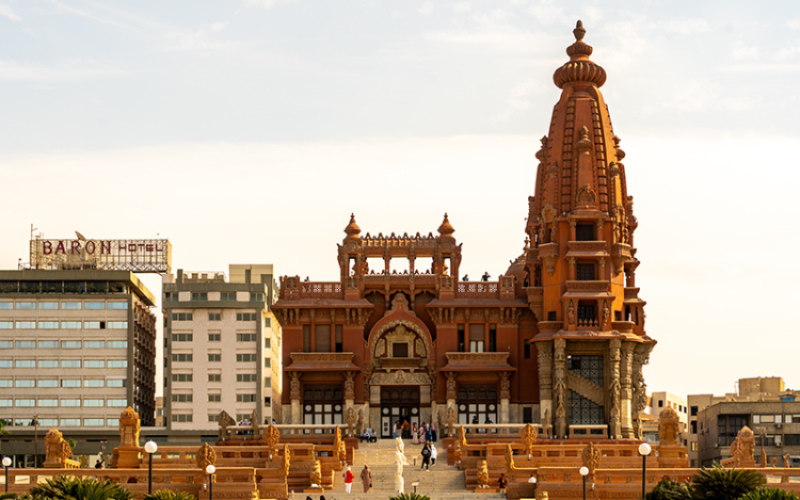
Baron Empain Palace, also known as Le Palais Hindou, stands as one of Egypt’s most captivating architectural masterpieces. Located in the heart of Heliopolis, Cairo, this unique palace combines mystery, innovation, and cultural fusion. Constructed in the early 20th century by the Belgian industrialist Édouard Louis Joseph Empain, the palace is a marvel blending European opulence with Hindu architectural elegance. Its intricate carvings, rotating tower, and enigmatic history have earned it a reputation that borders on myth. Travelers drawn to Egypt for its ancient wonders often find the Baron Empain Palace an unexpected yet magnificent surprise — a vivid reminder of Cairo’s eclectic spirit and cosmopolitan evolution.
Unlike the timeless pyramids or the ancient temples along Egypt Nile Cruises, this palace represents a different chapter in Egyptian history. It’s not just a piece of architectural brilliance but a story of ambition, mystery, and modern urban planning. Heliopolis itself was envisioned by Baron Empain as a “city of the future,” a desert utopia infused with elegance and grandeur. The palace became both his residence and his legacy — a symbol of ingenuity and imagination. Over the years, rumors of haunting spirits and hidden tunnels have only amplified its allure, turning it into a hub for tourists, historians, and thrill-seekers alike. Today, the restored Baron Empain Palace is a cultural beacon showcasing Egypt’s colonial-era art, design, and cosmopolitan charm.
The Visionary Behind Baron Empain Palace
Baron Édouard Empain was not merely an industrialist; he was a city builder, dreamer, and pioneer. Born in Belgium in 1852, Empain made his fortune through railway construction projects across Europe and Asia. When he arrived in Egypt around 1904 to work on the Cairo electric railway, he saw potential in the desert northeast of the bustling Cairo city. His vision gave birth to Heliopolis, a planned suburb inspired by European and Oriental influences. The Baron Empain Palace became the crown jewel of this ambitious project, representing his fascination with Eastern philosophy and architecture.
Empain’s desire was to build a city that combined modern infrastructure with classical charm. The palace, designed by French architect Alexandre Marcel and decorated by Georges-Louis Claude, embodied this fusion. The architectural style drew heavily from Hindu temples in India and Cambodia, particularly the Angkor Wat complex. Its design was so unusual for Cairo that it immediately captured attention and curiosity, earning Empain both admiration and intrigue.
Architectural Brilliance of Baron Empain Palace
The Baron Empain Palace is a symphony of architectural experimentation. Built from reinforced concrete — then a relatively modern material — the palace stands as a durable, avant-garde construction for its time. The façade is adorned with intricate sculptures of deities, mythical creatures, and floral motifs. Its sun-kissed sandstone hue changes with the light, creating a mesmerizing visual effect, especially at sunset. The tower was once designed to rotate 360 degrees, offering panoramic views of Heliopolis, an engineering marvel that symbolized modernity and progress.
Inside, the palace showcases a mix of European and Asian elements. The staircases, columns, and ceilings exhibit elaborate carvings, while the grand halls feature decorative frescoes and stained glass. Rooms open toward balconies overlooking lush gardens, blending tranquility with luxury. The spiritual symbolism infused throughout the structure reflects Baron Empain’s fascination with life, eternity, and mysticism. Every detail — from the lotus motifs to the celestial alignments — tells a story of harmony between East and West.
The Myth and Mystery Surrounding the Palace
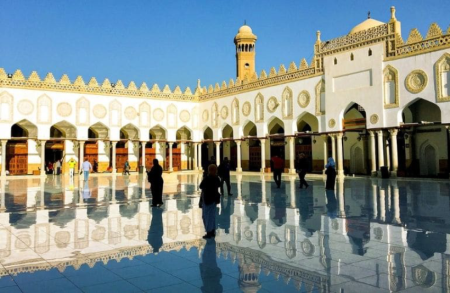
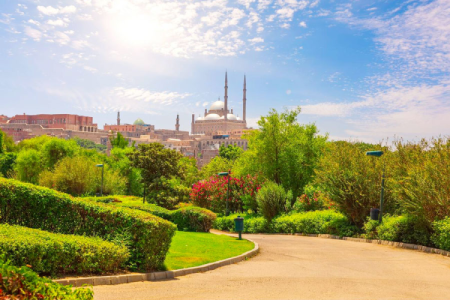
For decades, the Baron Empain Palace was shrouded in mystery. Locals whispered about dark secrets, hidden tunnels connecting the palace to the nearby the Alabaster Mosque, and supernatural occurrences. Some claimed the Baron’s wife and daughter met tragic fates within its walls, fueling legends of ghosts haunting the halls. These chilling tales, though mostly folklore, added to the building’s magnetism, transforming it into a subject of both fascination and fear. Its long period of abandonment, until recent restoration, only deepened its mysterious aura.
However, beneath the myths lies the truth of a man’s dream — to introduce an architectural masterpiece that would redefine Cairo’s skyline. The Egyptian government has since dispelled rumors by restoring the palace to its former glory, turning it into a museum highlighting the origins of Heliopolis and the life of Baron Empain.
Restoration and Modern Revival
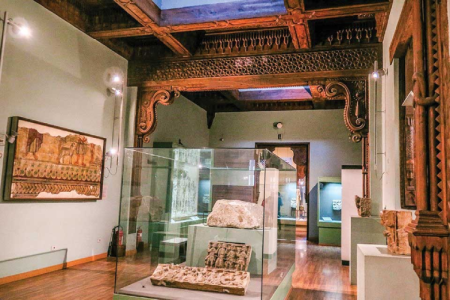
In 2020, after years of meticulous restoration, the Baron Empain Palace reopened to the public as a cultural landmark. The Egyptian Ministry of Antiquities, in collaboration with the Belgian government, undertook extensive efforts to rehabilitate the structure. Today, the palace serves as a museum showcasing Heliopolis’s early urban planning, period artifacts, and Empain’s personal memorabilia. Visitors can explore the palace’s grand rooms, terraces, and gardens, each narrating a chapter of the city’s modern history.
The restoration preserved original decorative details while upgrading the structure for safety and accessibility. Exhibitions within the palace depict early 20th-century Cairo through photographs, maps, and models, offering a nostalgic glimpse into Egypt’s cosmopolitan past. This revival not only restored the building’s architectural integrity but also reaffirmed Heliopolis’s historical significance as a hub of innovation and culture.
Baron Empain Palace as a Cultural and Tourism Icon
Today, Baron Empain Palace draws both art enthusiasts and curious travelers who want to explore beyond the pyramids and temples. Its proximity to major Cairo landmarks makes it an ideal stop for those enjoying Cairo Day Tours or extended Egypt Travel Packages. The palace’s fusion of East and West offers a refreshing contrast to other attractions, highlighting Egypt’s modern history and colonial charm. Whether for photography, history, or architecture, the site provides endless inspiration.
At night, the palace transforms under golden illumination, enhancing its mysterious aura. Cultural events, art exhibitions, and guided tours now take place regularly, breathing new life into its halls. Tourists can stroll through its gardens, admire the intricate carvings, and enjoy views stretching across Heliopolis’s elegant boulevards. The Baron Empain Palace stands proudly among Abdeen Palace and other royal residences as a testament to Egypt’s architectural diversity.
Heliopolis: The Dream City of Baron Empain
Heliopolis owes its existence to Baron Empain’s vision of creating a new urban paradise in the desert. Designed with broad avenues, gardens, and luxurious villas, it became one of Cairo’s most elegant districts. Empain’s company, Heliopolis Oasis Company, introduced trams, electricity, and infrastructure that were revolutionary for early 1900s Egypt. The district attracted aristocrats, diplomats, and expatriates who sought refuge from downtown Cairo’s hustle. The palace, visible from afar, served as the neighborhood’s focal point — both symbolically and physically.
Today, Heliopolis retains its historic charm, blending old-world elegance with modern vitality. The district’s tree-lined streets, vintage architecture, and proximity to landmarks like Khan al-Khalili Cairo and the Egyptian Museum of Cairo make it a perfect base for cultural exploration. The Baron Empain Palace remains the heart of this living museum — a reminder that visionaries like Empain shaped modern Egypt in more ways than one.
How to Visit Baron Empain Palace
Visiting the Baron Empain Palace is a straightforward yet thrilling experience. The site is located along Al-Oroba Street in Heliopolis and is easily accessible by taxi, metro, or organized Egypt Excursions. The palace is open to visitors throughout the week, with guided tours available in multiple languages. Tickets are affordably priced, and photography is permitted in designated areas. Early morning or late afternoon visits are ideal for capturing the building’s golden hues under natural light.
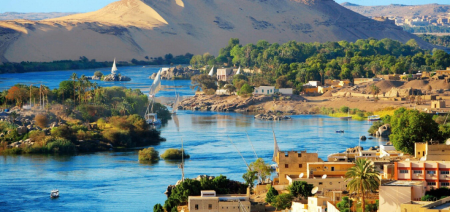
After exploring the palace, travelers can wander through nearby attractions such as The National Museum of Egyptian Civilization or relax beside The Nile River. For those embarking on longer adventures, combining a palace visit with Egypt Luxury Tours offers an unforgettable journey through art, history, and elegance.
Frequently Asked Questions about Baron Empain Palace
1. Who built the Baron Empain Palace?
The palace was commissioned by Belgian industrialist Baron Édouard Empain and designed by French architect Alexandre Marcel. Completed in 1911, it served as Empain’s residence and the centerpiece of his Heliopolis development project.
2. What is unique about the architecture of the Baron Empain Palace?
The palace’s design is inspired by Hindu temples in India and Cambodia, showcasing intricate carvings, domes, and sculptures. Its use of reinforced concrete and the rotating tower mechanism made it an engineering marvel for its time.
3. Are there haunted stories about the Baron Empain Palace?
Yes, local folklore includes tales of ghosts and tragic events involving Empain’s family. While these stories are unverified, they’ve contributed to the palace’s legendary aura and popularity as a source of mystery and intrigue.
4. How can tourists visit the Baron Empain Palace?
Visitors can reach the palace easily via public transport or taxis. The site is open daily with guided tours available. It’s highly recommended to include the visit in organized Egypt Vacations Packages for a seamless experience.
5. Why is the Baron Empain Palace important in Egypt's modern history?
The palace symbolizes the modernization of Cairo during the colonial era and represents Baron Empain’s pioneering urban vision. Its restoration underscores Egypt’s dedication to preserving its diverse architectural heritage and cultural identity.



.png)




Our Partners
Our Awesome Partners